
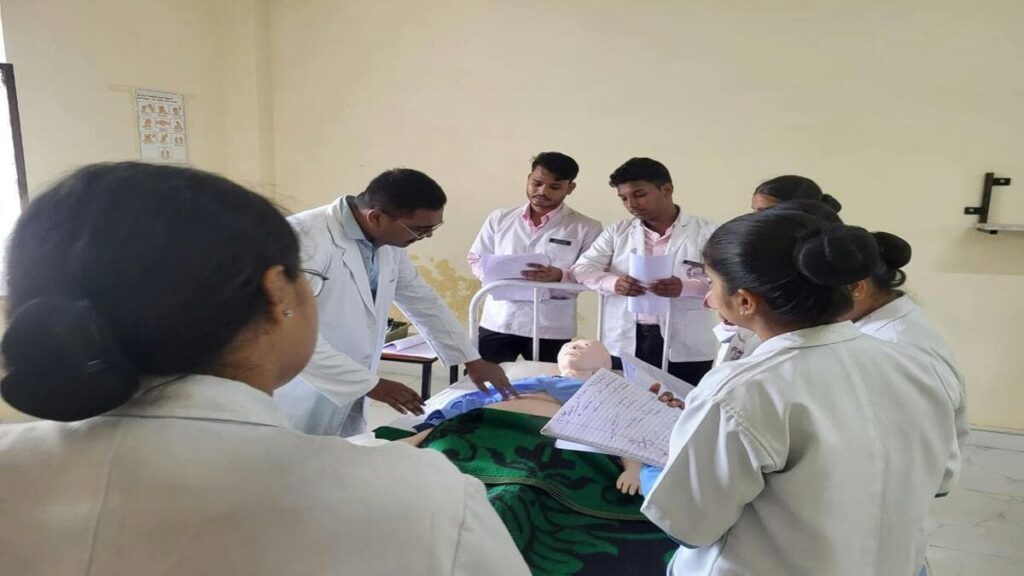
FAIMA Raises Alarm Over Faridabad Medical College Deficiencies
The Federation of All India Medical Association (FAIMA) has formally alerted the National Medical Commission (NMC) about ongoing critical problems at Shri Atal Bihari Vajpayee Government Medical College (SABVGMC) in Chhainsa, Faridabad. Despite being approved by the NMC in 2020 and admitting its first batch of MBBS students in 2022, the college reportedly suffers from severe and persistent deficiencies affecting hospital operations, faculty availability, student infrastructure, and regulatory compliance.
Understanding the Challenges at SABVGMC
Shri Atal Bihari Vajpayee Government Medical College was established to expand medical education and healthcare services in Haryana. The institution was expected to provide comprehensive training to undergraduate medical students while delivering quality patient care through its associated hospital. However, FAIMA’s recent letter highlights that the college has yet to become fully functional as a teaching hospital. This situation has led to academic and clinical setbacks for the pioneering batch of students, who face limited exposure to essential medical training components.
Medical colleges require a robust infrastructure, including well-staffed departments, reliable utilities, and active patient inflow, to ensure effective learning and healthcare delivery. SABVGMC’s failure to meet these standards undermines both educational outcomes and patient services.
Key Issues Identified by FAIMA
- Non-functional or weak inpatient clinical services, limiting hands-on training opportunities.
- Extremely low patient attendance in outpatient departments (OPDs), reducing clinical exposure for students.
- Frequent shortages of medicines in the hospital pharmacy, affecting treatment quality.
- Prolonged disruptions in electricity and water supply, hampering hospital operations.
- Severe shortage of qualified teaching faculty in major departments such as General Medicine, Radiology, Obstetrics and Gynaecology, and Psychiatry.
- Repeated inspections by regulatory bodies have not resulted in meaningful improvements.
Several departments reportedly operate with insufficient or no permanent staff, directly impacting the regularity of teaching schedules and bedside clinical training essential for medical education.
Why These Problems Matter for Medical Students and Healthcare
The deficiencies at SABVGMC have immediate and long-term consequences. For students, inadequate faculty and limited clinical exposure hinder the development of essential medical skills and knowledge. This compromises their academic progress and future career prospects. The 2022 MBBS batch, in particular, is facing significant challenges due to these systemic failures.
From a healthcare perspective, the hospital’s inability to provide consistent inpatient and outpatient services affects the community’s access to quality medical care. Medicine shortages and utility disruptions further degrade patient treatment standards.
FAIMA has urged the NMC to take swift and decisive action, including conducting fresh inspections by an independent panel, deploying qualified faculty immediately, ensuring uninterrupted hospital services and utilities, and holding administrative authorities accountable for non-compliance. The association stresses that without prompt intervention, both medical education and patient care at SABVGMC will continue to suffer.
Frequently Asked Questions
Q: What is the main concern raised by FAIMA about SABVGMC?
A: FAIMA is concerned about severe faculty shortages, poor hospital services, and infrastructure issues that are affecting medical education and patient care at the college.
Q: How does the situation at SABVGMC affect medical students?
A: Students face academic setbacks due to inadequate clinical exposure, irregular teaching schedules, and lack of qualified faculty, which may impact their competence and future careers.
Q: What actions has FAIMA requested from the National Medical Commission?
A: FAIMA has called for a fresh, independent inspection, immediate deployment of qualified faculty, restoration of hospital services and utilities, and accountability measures against responsible authorities.
0 Comments