
IIT Ropar PhD Student Faces Harassment and Smear Campaign
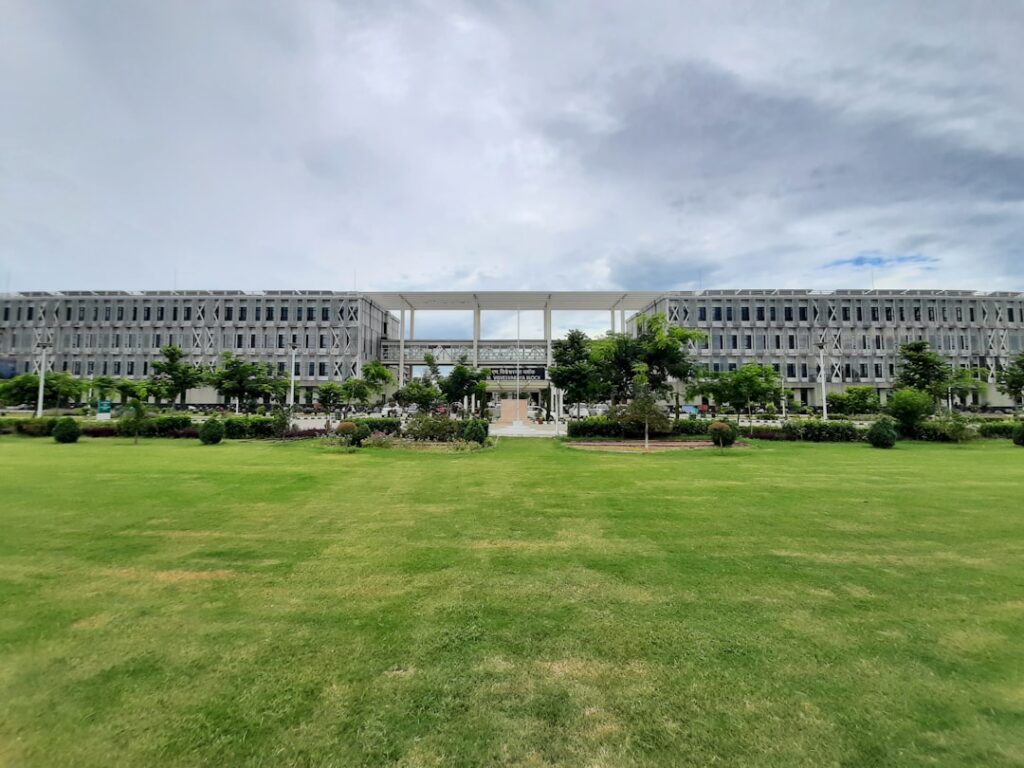
Photo by Kartik Saini on Unsplash
A first-year PhD student in the physics department at the Indian Institute of Technology (IIT) Ropar has accused her supervisor of mental torture and sexual assault. She claims that after reporting the abuse, she has been targeted with a smear campaign both on campus and across social media platforms. Despite the serious allegations, the institute’s actions against the accused professor have been limited, raising concerns among students and staff.
Details of the Allegations and Incident
On April 28, around 4 pm, the student alleges that her supervisor physically assaulted her, including punching her in the left eye multiple times when she tried to stop him from further assault and molestation. She shared these claims publicly on social media on May 1, detailing the abuse and harassment she endured. Alongside this, she released a PDF containing communications between her and the professor from August to October 2025, which she says substantiate her claims of harassment.
The student also accused the professor of exploiting his position to pursue sexual interests and then using his academic authority to retaliate when she resisted. This retaliation reportedly included obstructing her research progress and denying her the opportunity to attend a research conference in Japan. The student’s supervisor was changed following the incident, but she continues to face significant challenges.
Institutional Response and Campus Reaction
On May 2, IIT Ropar issued a statement confirming that the professor had been placed on forced leave immediately. The institute assured that arrangements were made to allow the student to continue her academic work without fear or pressure. However, insiders and experts have criticized this response as inadequate. According to a former IIT professor, the director has the authority to suspend faculty members pending disciplinary action, a step that IIT Ropar has not taken in this case.
Multiple sources on campus, speaking anonymously, revealed that the student is now the target of a coordinated campaign to discredit her. She reportedly removed her social media posts and deactivated her accounts after being advised by the Internal Complaints Committee (ICC). During ICC proceedings, the accused professor was asked to apologize, but the student was reportedly pressured not to speak further about the incident.
Concerns have also been raised about the lack of effective awareness and training related to the Prevention, Prohibition, and Redressal of Sexual Harassment (POSH) Act on campus. According to staff members, workshops on the topic are superficial, and students are not adequately informed about their rights or the procedures for reporting harassment.
Wider Issues of Harassment at IIT Ropar
Employees at IIT Ropar suggest that this case is not isolated. Several students have reportedly faced similar experiences with different professors but remain silent due to fear of retaliation, including threats of PhD suspension. Transparency in PhD admissions and grievance redressal processes is also questioned by insiders. The prevailing atmosphere of intimidation and lack of support has left many students hesitant to come forward.
Despite media attention, many on campus feel the institute has not taken the matter seriously and may be attempting to suppress the issue. The ongoing harassment and character assassination of the student highlight broader challenges within the academic environment at IIT Ropar.
Frequently Asked Questions
Q: What actions has IIT Ropar taken against the accused professor?
A: The professor has been placed on forced leave, but the institute has not suspended him pending disciplinary proceedings, which some experts say is a more appropriate step.
Q: How is the student being supported during this time?
A: IIT Ropar claims to have made arrangements to ensure the student can continue her academic work without fear or pressure, but reports suggest she faces ongoing harassment and pressure to remain silent.
Q: Are there broader concerns about harassment at IIT Ropar?
A: Yes, multiple employees and students indicate that harassment and intimidation are widespread, with many students afraid to report incidents due to potential retaliation.
0 Comments