
NEET UG 2026 Safe Scores for MBBS Admission Explained
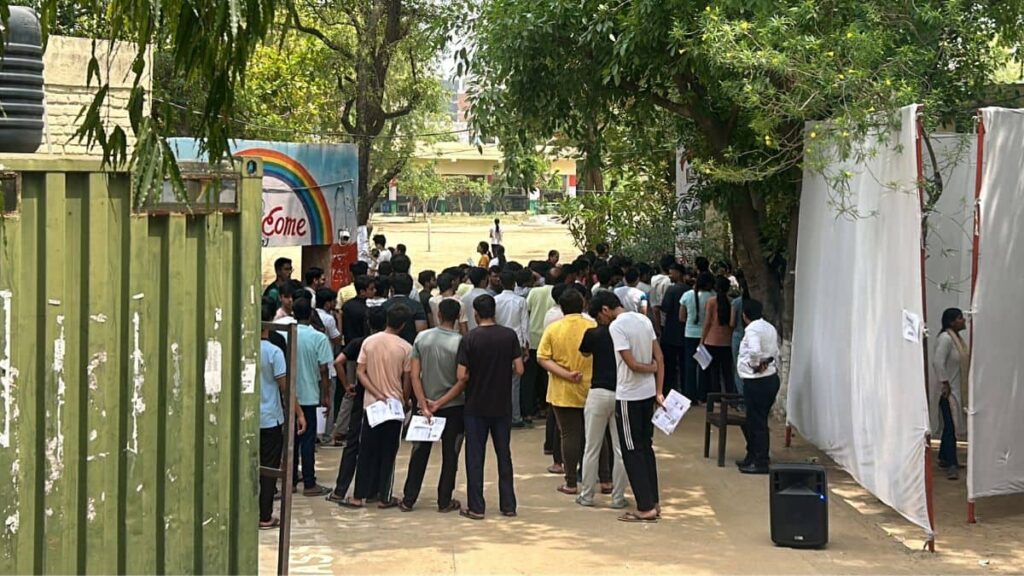
The National Eligibility cum Entrance Test Undergraduate (NEET UG) 2026 was held on May 3, with more than 22 lakh students across India vying for admission to MBBS programs. This exam remains the primary gateway for medical education in the country, making the question of what constitutes a ‘safe score’ for MBBS admission a top concern among candidates and their families.
While there is no fixed cut-off score guaranteeing admission, analyzing previous years’ data and current seat availability helps estimate the marks candidates should aim for, especially in government medical colleges known for their competitive entry standards.
Understanding NEET UG and Its Role in Medical Admissions
NEET UG is a pen-and-paper exam conducted by the National Testing Agency (NTA). It tests candidates on Physics, Chemistry, and Biology through 180 questions, with a total maximum score of 720 marks. The exam is the sole entrance test for MBBS and BDS courses in India, including seats in government and private medical colleges.
After the results are declared, medical colleges release their cut-off scores during counselling rounds. These cut-offs determine which candidates qualify for admission based on their rank and category. Factors influencing cut-offs include the exam’s difficulty, number of applicants, seat availability, and reservation policies for various categories such as General, OBC, SC, ST, and PwD.
Key Details on NEET UG 2026 Scores and Cut-offs
- The qualifying percentile and minimum scores vary by category. For example, the General category requires a 50th percentile with marks between 144 and 686, while OBC, SC, and ST categories require a 40th percentile with marks ranging from 113 to 143.
- Expected safe score ranges for MBBS admission in government colleges are:
- General (UR): 650+ for top government colleges, 620–650 for other government colleges, and 580–620 for state government colleges.
- OBC: 600+ for strong chances, 570–600 likely for government seats.
- SC: 500–550 for good chances.
- ST: 450–500 for possible admission.
- Any category scoring 400–500 may find seats in private medical colleges.
- Scores below 400 generally have limited options.
- Top institutions like AIIMS Delhi and Maulana Azad Medical College often require scores above 680.
- Private medical colleges have lower cut-offs but charge significantly higher fees.
Why NEET UG 2026 Scores Matter for Medical Aspirants
Achieving a high NEET UG score is crucial for securing admission in prestigious government medical colleges, which offer quality education at subsidized fees. The competition is intense due to limited seats and a large number of applicants. Candidates scoring above 620 in the General category typically have a safer chance of admission in government colleges.
For those scoring in the mid-range, options include state government colleges or private institutions, though the latter come with higher financial costs. Candidates who do not meet the expected safe scores should consider alternative pathways, such as private colleges, other healthcare courses, or preparing to attempt the exam again.
Understanding these score ranges helps candidates set realistic goals and plan their counselling strategies effectively.
Frequently Asked Questions
Q: What is the minimum qualifying score for NEET UG 2026?
A: The minimum qualifying score varies by category. For the General category, it is between 144 and 686 marks (50th percentile). For OBC, SC, and ST categories, it ranges from 113 to 143 marks (40th percentile).
Q: What score is considered safe for admission to top government medical colleges?
A: Generally, a score above 650 is considered safe for admission to top government medical colleges like AIIMS Delhi and Maulana Azad Medical College.
Q: Can candidates with scores below 400 still pursue medical education?
A: Scores below 400 limit options for MBBS admission. Candidates may explore private medical colleges or alternative healthcare courses, or consider reattempting the exam.
0 Comments